Skip to content

Iodine - wowtamins Nutrient Guide

Iodine - wowtamins Nutrient Guide

What is the importance of iodine for children and adults?

The trace element iodine belongs to the group of minerals.

Since the soil in Germany is very low in iodine, a large proportion of the population does not receive sufficient amounts of this important nutrient. For this reason, table salt (iodized salt), bread, and ready-made meals are often supplemented with iodine.

Iodine contributes

  • to normal production of thyroid hormones and normal thyroid function
  • to normal cognitive function
  • to normal energy metabolism
  • to normal function of the nervous system
  • to the maintenance of normal skin

How much iodine do children need?

According to the reference values of the German Nutrition Society (DGE), children and adolescents need 80 to 200 micrograms of iodine per day. The individual values are broken down as follows:

Infants

  • 0 to under 4 months*: 40 µg
  • 4 to under 12 months: 80 µg

Children and adolescents

  • 1 to under 4 years: 100 µg
  • 4 to under 7 years: 120 µg
  • 7 to under 10 years: 140 µg
  • 10 to under 13 years: 180 µg
  • 13 to under 15 years: 200 µg
  • 15 to under 19 years: 200 µg

Adults

  • Men: 180 to 200 µg
  • Women: 180 to 200 µg
  • Pregnant women: 230 µg
  • Breastfeeding women: 260 µg

Minimum daily iodine intake, as of 03/2024. [1]
* Estimated value

Germany is still considered today to be an iodine-deficient region.

Accordingly, the population’s intake of this vital trace element is alarmingly low in the major nutrition studies EsKiMo and VELS. Among children aged 1 to 4, the average intake is only 20 to 25 percent of the recommended daily amount. [2]

In the group of boys and male adolescents aged 6 to 17, more than 90 percent consume too little iodine through their diet. The situation is even more alarming among girls and female teenagers. Among 6- to 17-year-olds, almost 100 percent show an inadequate iodine intake.. [3]

Where is iodine found?

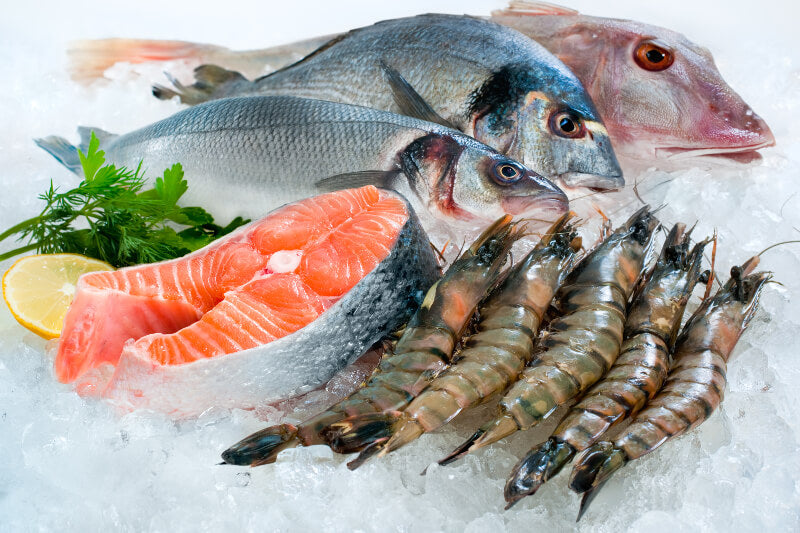
Only a few foods contain sufficient amounts of iodine. The best sources include saltwater fish.

Fish (per 100 grams)

  • Cod liver oil – 860 µg
  • Haddock – 243 µg
  • Fish sticks – 159.1 µg
  • Cod – 155 µg
  • Shrimp – 130 µg
  • Redfish – 104.5 µg
  • Kipper – 72 µg
  • Herring – 52 µg
  • Tuna – 50 µg
  • Mackerel – 49 µg
  • Salmon – 34 µg

Iodine content in foods. [4, 5]

Just three fish sticks contain enough iodine for children aged 4 to under 7 to reach the DGE reference value. One serving of haddock (100 grams) with any side dish even covers the requirement for two days.

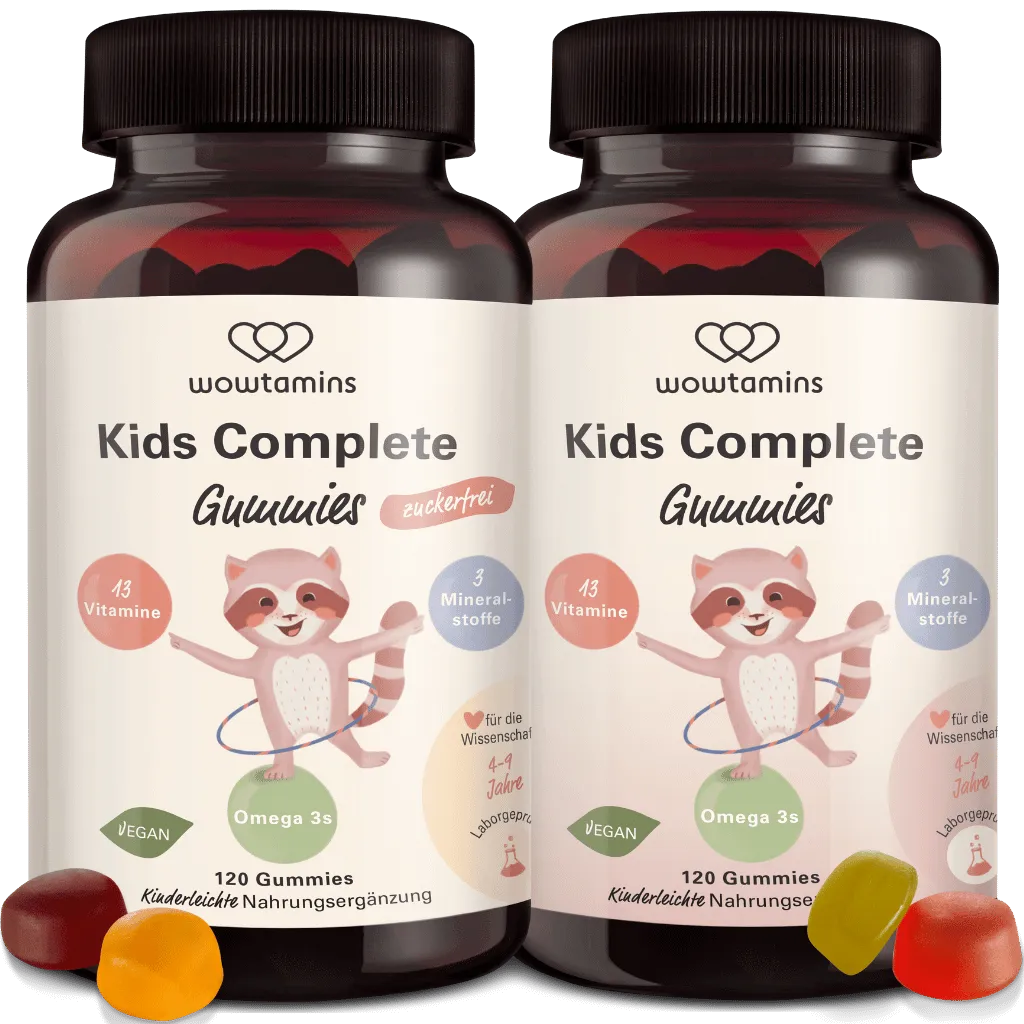
Iodine is naturally found in our products too, such as Kids Complete Gummies.

Mandatory notice: Food supplements are not a substitute for a balanced and varied diet and a healthy lifestyle.

List of sources - Iodine - wowtamins Nutrient Guide

Discover our vitamin gummy categories