Skip to content

Iron - wowtamins Nutrient Guide

Iron - wowtamins Nutrient Guide
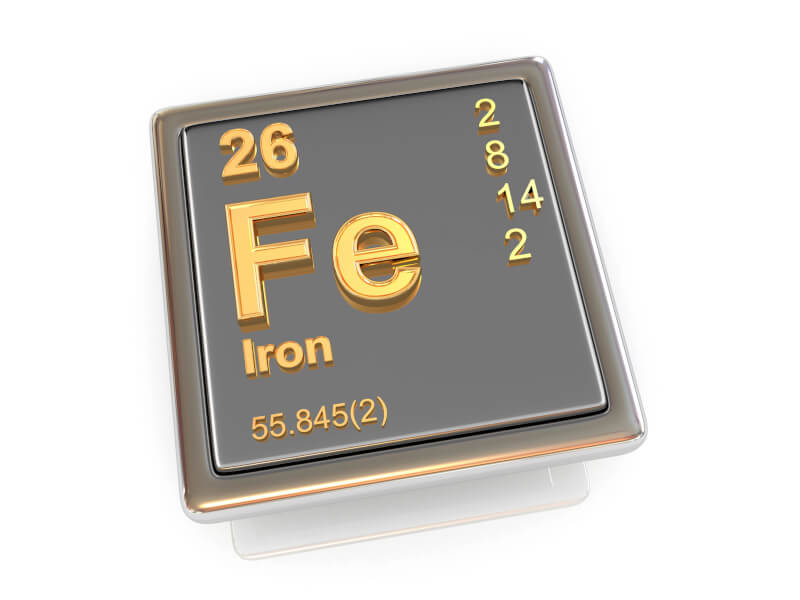
What is the importance of iron for children and adults?

Iron for children is just as important as it is for adults: This essential trace element must be regularly obtained through food.

Iron contributes:

  • to the normal formation of hemoglobin and red blood cells
  • to the transport of oxygen in the body
  • to the reduction of tiredness and fatigue
  • to normal energy metabolism
  • to normal cognitive function
  • to the normal function of the immune system
  • to the maintenance of normal skin and hair

and has a role in cell division

How much iron do children need?

For children, adolescents, and adults, the German Nutrition Society (DGE) provides age-dependent reference values to ensure adequate daily iron intake. The need for iron depends greatly on age, sex, and specific circumstances such as pregnancy.

Infants:

  • 0 to under 4 months: 0.3 mg
  • 4 to under 12 months: 11 mg

Children and adolescents:

  • 1 to under 4 years: 7 mg
  • 4 to under 7 years: 7 mg
  • 7 to under 10 years: 10 mg
  • 10 to under 13 years: 14 mg (female), 14 mg (male)
  • 13 to under 15 years: 16 mg (female), 11 mg (male)
  • 15 to under 19 years: 16 mg (female), 11 mg (male)

Adults:

  • Men: 11 mg
  • Women: 16 mg (or 14 mg postmenopausal)
  • Pregnant women: 27 mg
  • Breastfeeding women: 16 mg

Daily iron intake according to the DGE (as of 2024) [1].

Note: Girls and women often have a higher iron requirement, especially during menstruation, pregnancy, and breastfeeding. Vegetarians and vegans should also have their iron status checked regularly, as iron from plant sources (non-heme iron) is less readily absorbed than iron from animal sources.

Iron deficiency:

Two independent studies examined the eating habits of children and adolescents and revealed widespread inadequate intake of this trace element.

Accordingly, around 70% of girls and 75% of boys between the ages of 6 and 11 do not meet the daily reference values. Among adolescents, more than 80% of girls and 50% of boys have an inadequate intake. [2]

Studies such as VELS and EsKiMo show that a significant proportion of children and adolescents in Germany do not meet the recommended iron requirement. Adolescent girls are particularly affected, often consuming too little iron through their diet, which increases the risk of iron deficiency and associated symptoms such as fatigue and weakness.

Where is iron found?

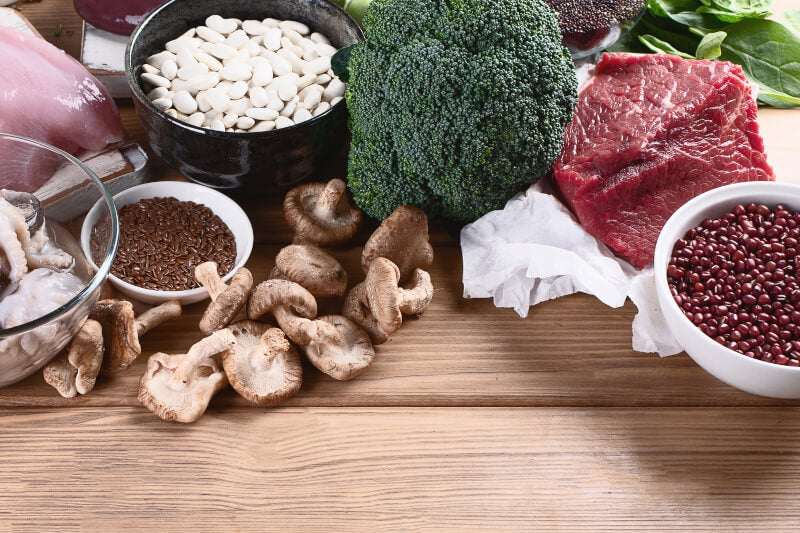
High concentrations of the important trace element iron are found in meat, organ meats, legumes, grains, and nuts. The most important sources include:

Meat & organ meats (per 100 grams)

  • Pork liver – 18 mg
  • Beef liver – 6.9 mg
  • Beef – 2.3 mg

Legumes & grains (per 100 grams)

  • Millet – 9.0 mg
  • Lentils (dried) – 7.5 mg
  • Chickpeas – 6.9 mg
  • Peas – 5.2 mg
  • Oatmeal – 4.6 mg

Iron content in foods. [3]

Caution: Although the iron content from plant sources may appear high at first glance, the body absorbs a significantly smaller proportion because the iron in these foods is usually in the ferric form.

To meet the daily requirement, you generally need two to three meals containing some of the iron sources listed above.

If the need is high, an iron supplement such as our Sugar-free Iron Gummies also offers a way to supplement your intake.

Mandatory notice: Food supplements are not a substitute for a balanced and varied diet and a healthy lifestyle.

List of sources - Iron - wowtamins Nutrient Guide

Discover our vitamin gummy categories